
Fatigue After Starting MHT: Could It Be the Progesterone?
You start MHT hoping to feel better, but instead you feel tired, foggy, washed out or unusually sleepy. So, is it the MHT? Possibly. But that doesn't necessarily mean MHT isn't right for you.
When someone develops fatigue after starting MHT, one of the first things I think about is the progesterone, particularly when we're using a low-to-medium dose of oestrogen.
Why Can Progesterone Make You Tired?
Utrogestan (micronised progesterone) is body-identical progesterone and is commonly used alongside oestrogen to protect the lining of the uterus. It also has effects within the brain and can be sedating.
For some people, that's wonderful. They sleep better, feel calmer and wake refreshed. For others, it can cause significant tiredness, morning grogginess, brain fog, dizziness or that slightly "hungover" feeling. And occasionally, rather than improving sleep, it can actually make sleep more restless or disrupted.
So if you've started MHT and suddenly feel exhausted, don't automatically assume the oestrogen is the problem.
A Few Questions Can Give Us Clues
Before changing anything, I usually ask about your previous experiences with hormones. Have you ever had a Mirena, and how did you feel with it? Have you taken a progesterone-only pill such as Cerazette, and how did you tolerate that? What are your natural periods like: heavy, painful, very cyclical or otherwise troublesome?
These experiences don't predict exactly how you'll respond to MHT, but they can give us useful clues about what we might try next.
What Are the Options?
There is a bit of a message "on the street" that progesterone for MHT has to be Utrogestan because it is body-identical, acts within the brain and can help with sleep. And it absolutely can be lovely for some people. But for more people than you might think, it just isn't.
Sometimes we can use Utrogestan vaginally (or rectally) rather than orally, which may reduce systemic side effects for some people. This is an off-label approach and needs an individual discussion about the appropriate regimen.
Another option is changing to a different progestogen, such as Provera (medroxyprogesterone) or norethisterone. Although these aren't body-identical, some people actually tolerate them much better. They can still provide the endometrial protection needed alongside oestrogen, and can sometimes give better control of troublesome menstrual bleeding too.
If periods are particularly heavy, painful or cyclical, I might also think about Slinda (drospirenone). This can help suppress ovulation and settle hormonal cycling and bleeding, while we use oestrogen alongside it for menopausal symptoms. It can be a really useful option for the right person, although it is currently self-funded in New Zealand.
A Mirena can also be an excellent option, particularly when heavy bleeding is part of the picture. It delivers progestogen predominantly within the uterus and can provide the endometrial protection we need alongside oestrogen.
Is This Progesterone Intolerance?
Possibly. Fatigue, drowsiness and brain fog can be part of a broader pattern of progesterone intolerance. Some people also experience mood changes, anxiety, bloating, headaches, breast tenderness or other symptoms. I've written a separate post about Progesterone Intolerance if you're reading this thinking, "Actually, this sounds like me in lots of ways."
But sometimes it really is much simpler: you feel better with the oestrogen, but worse with the progesterone.
And that's useful information. It doesn't necessarily mean stopping MHT. There isn't one progesterone or progestogen that is best for everybody. Sometimes we change the route, sometimes we change the type, and sometimes we need to think about controlling the menstrual cycle itself.
The aim is to find the option that gives you the protection you need, while allowing you to actually feel well on your MHT.
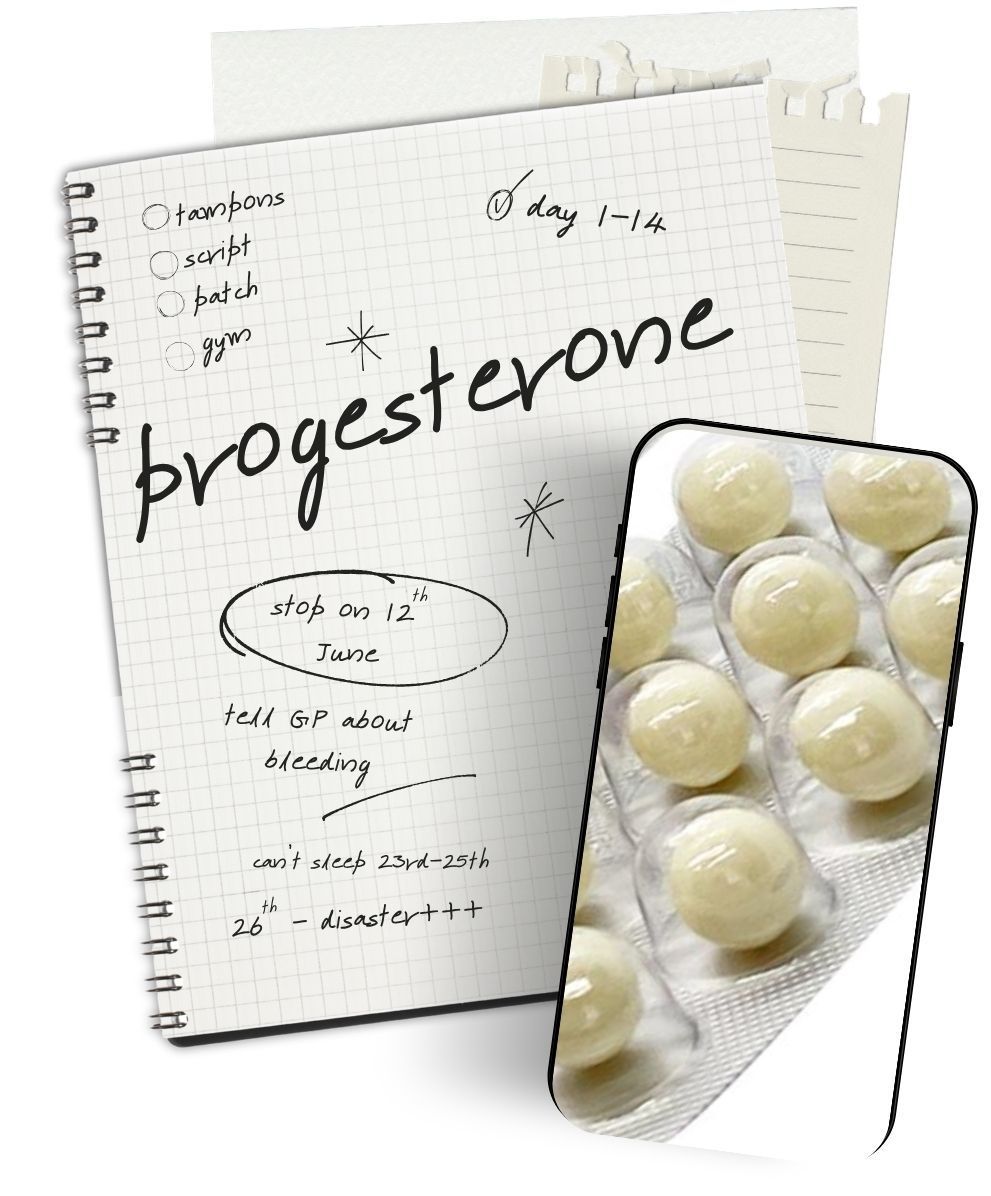
Read about Progesterone in Perimenopause
Read more about the science behind progesterone and medication choices in perimenopause here
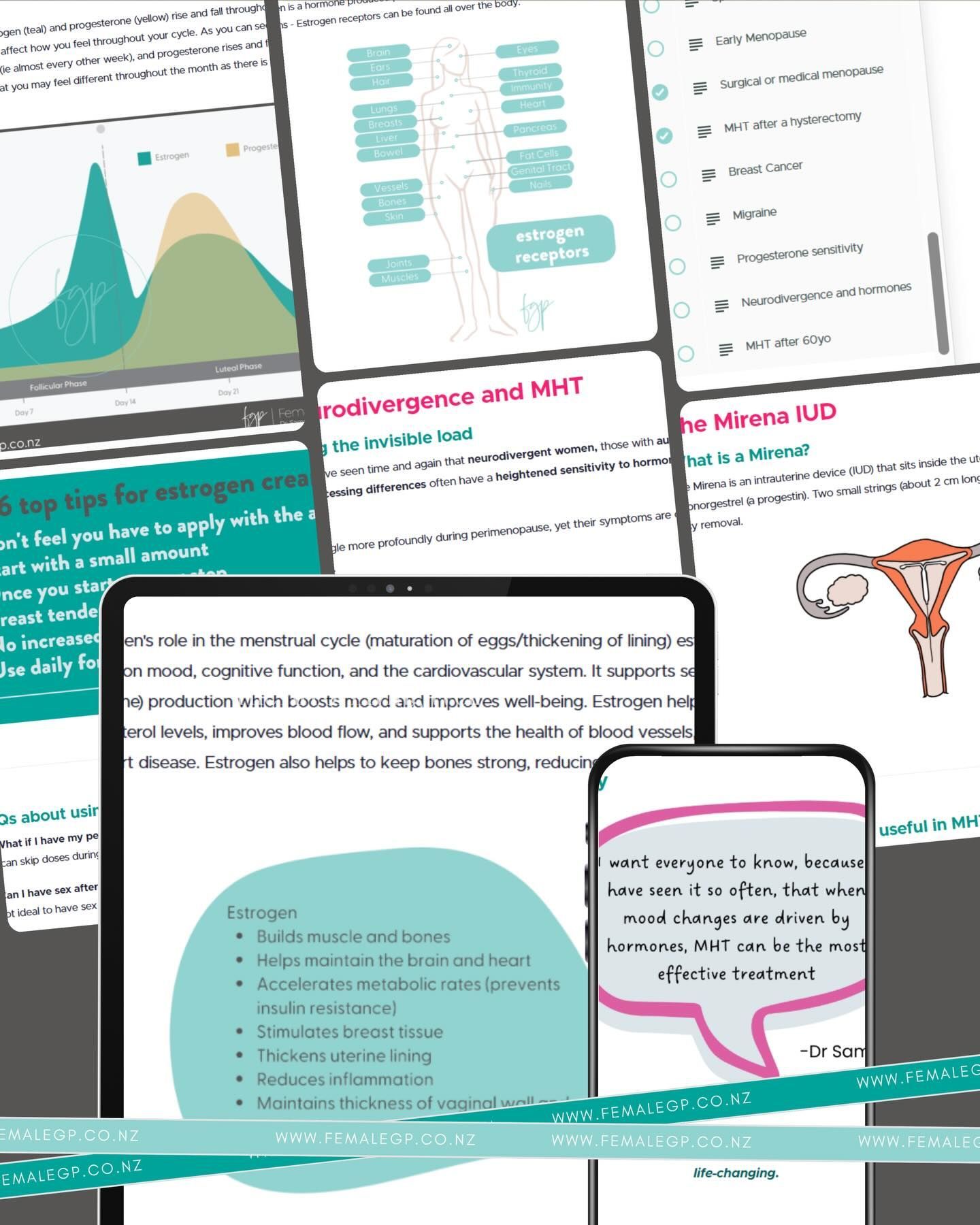
Understanding your MHT
My courses explore these hormonal nuances in more detail, including how we can think about symptoms, understand the different components of MHT, and work through possible changes in a structured way to better support your individual needs

Progestogen Intolerance
Fatigue can be just one part of a much broader pattern. If progesterone or progestogens seem to affect your mood, sleep, energy or physical symptoms