Resources for Healthcare Professionals
A library of usefulness gathered for Healthcare professionals to help you on your learning journey. Here are some resources I use day in and day out to consolidate new ideas, practices, to review the basics and to maximise communication.

Resources
Useful resources from NZ and all over the world

Leaflets by FGP
Improving communication of complex aspects of health
Assessment tools
PDFs to help assess, prioritse, monitor and diagnose. Use how you feel fit!


Medics Master Menopause
Do you want to improve your menopause care? Become a member of our private Facebook group. Connect with over 800 fellow professionals, share valuable insights, ask questions, access helpful resources and enhance patient care. Navigating this complex area can be challenging, particularly as we strive to provide the best for our patients amidst ever-evolving guidelines and increased patient awareness.
Through this platform, I want to help other doctors to love working with midlife women, just as I do.
This group is exclusively for medical doctors, and a proof of your practicing certificate is required.
Useful resources

Menopause Toolkit (AMS)
Comprehensive Guidelines on the Management of Menopause (AMS, 2024)
Wellsprings: HRT Risks vs Benefits
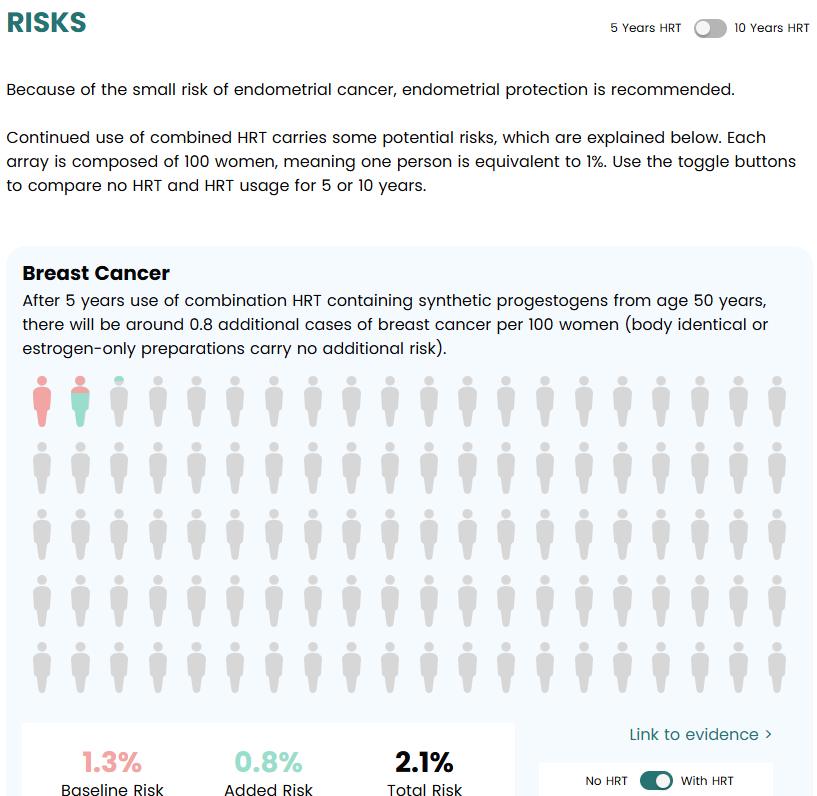
This resource aims to support women in making informed decisions about HRT by offering personalized risk assessments and access to authoritative information.

Balance App
Learn and log your hormone journey
International Association for Premenstrual Disorders
Support, education, research, and advocacy to empower individuals affected by PMDD/PME.

Australasian Menopause Society
Resources for menopause
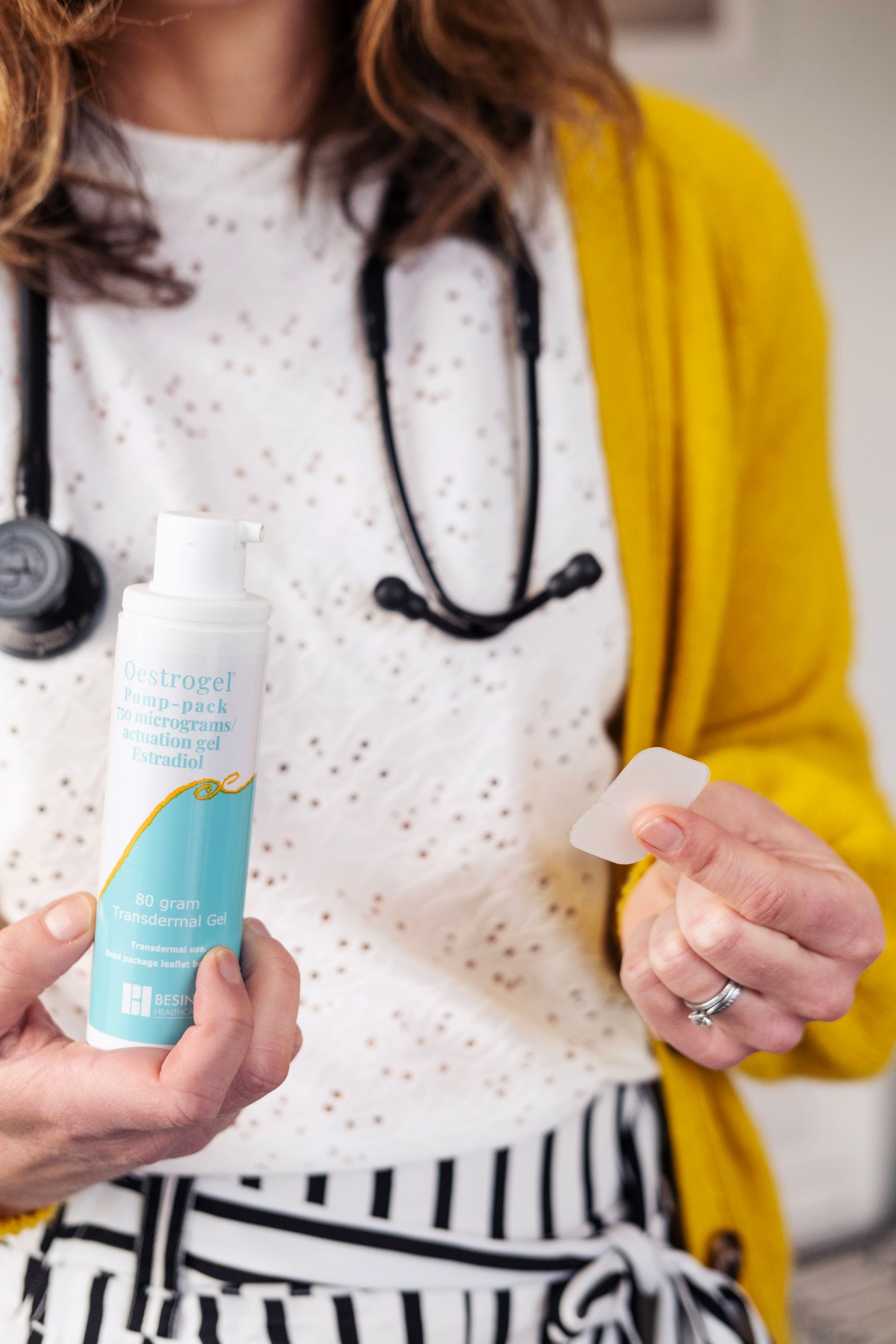
Guide to doses (AMS)
What dose or preparation should I prescribe?

Strengthen your bones
Healthy Bones Australia

Calcium Calculator
Having adequate dietary calcium is needed for health bones. Do you have enough?
Predict - Breast Cancer
Early invasive breast cancer. Understanding risk based on treatment options
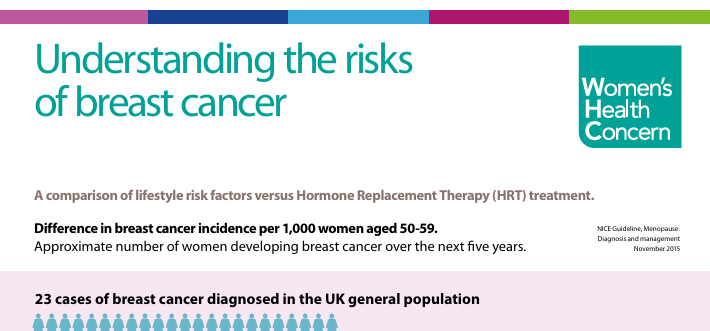
Understanding Breast Cancer Risk
The PDF titled "Understanding the Risks of Breast Cancer," published by Women's Health Concern in March 2017, provides a comparative analysis of various factors influencing breast cancer incidence among women aged 50-59 over a five-year period.

Primary Ovarian Insufficiency
A collection of Websites with good resources on POI

POI Guidlines
Recent Guidlines on Management of POI
Link to ESHRE Website: www.eshre.eu/Guidelines-and-Legal/Guidelines/Premature-ovarian-insufficiency
Leaflets by FGP
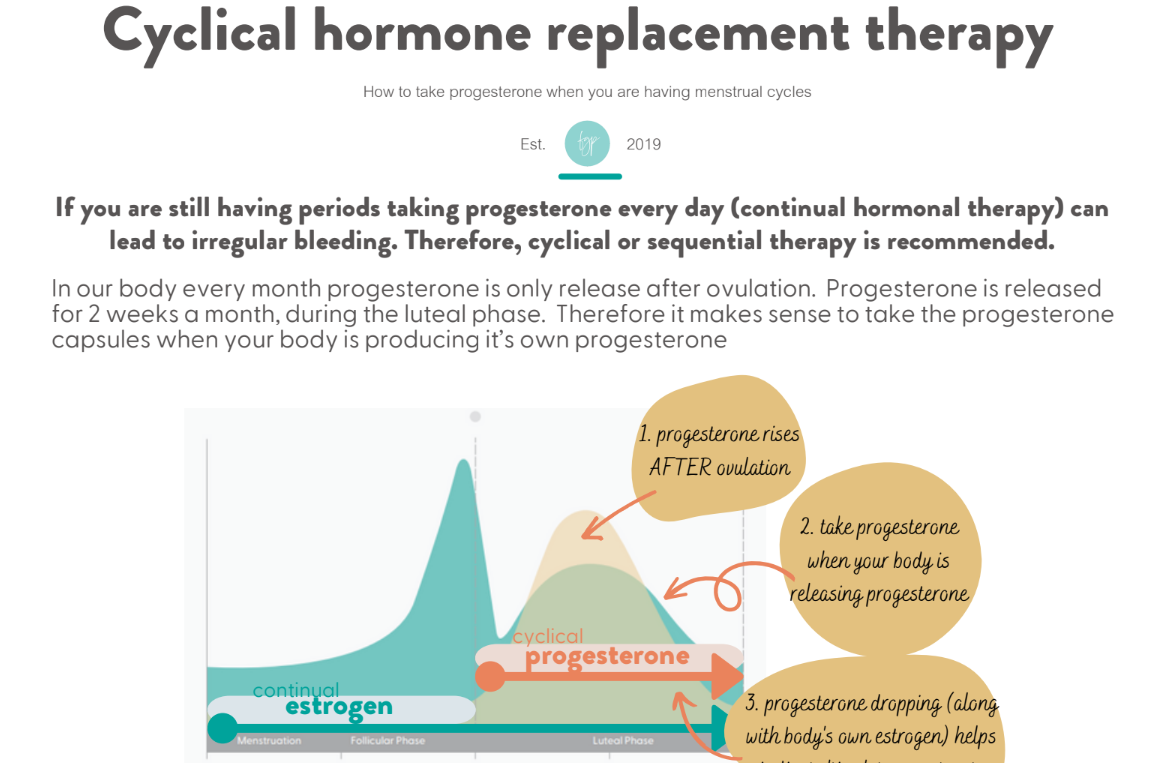
Cyclical HRT
Assessment tools

Meno D
Assessing for Reproductive Depression

Greene Climacteric Scale
Validated assessment tool for looking at perimenopause symptoms

PMDD Log - Daily Record of Severity of Problems
Why the DRSP Matters for Clinical Practice
The Daily Record of Severity of Problems (DRSP) is a validated, prospective symptom-tracking tool that meets DSM-5 and ISPMD criteria for diagnosing PMDD and distinguishing it from premenstrual exacerbation (PME) of other conditions.

Prior's Perimenopause
Dr Jerilyn Prior states a midlife woman with regular cycles is likely to be in perimenopause if she notices any 3 of the 9 changes:
• New onset of heavy and/or longer flow
• Shorter menstrual cycles (<26 days)
• new sore, swollen, or lumpy breasts
• new mid-sleep waking
• increased menstrual cramps
• premenstrual night sweats
• new or markedly increased migraine headaches
• new or increased premenstrual mood swings
• weight gain without changes in exercise or eating
Hormonal Hīkoi
Hormonal Hīkoi (TM) Questions to consider:
Puberty & Menarche - “When your periods first started, did you notice changes in mood, headaches, anxiety, or how you felt about your body around that time of the month?”
Reproductive Years - “Over the years, did your mood, energy, or wellbeing tend to change in a pattern with your menstrual cycle?”
Purpose: identifies ongoing cyclical patterns or PMS/PMDD clues.
Contraception / Hormone Exposure “How did you feel when you used hormonal contraception — did it make things better, worse, or no different?”
Pregnancy - “When you were pregnant, did you feel emotionally or physically different from your usual self — better, worse, or about the same?”
Postpartum - “After your baby was born, did you notice significant changes in your mood, anxiety, sleep, or ability to cope?”
Perimenopause (Late 30s–40s) - “In the past few years, have you noticed new symptoms like anxiety, mood changes, sleep problems, or brain fog that seem different from earlier in life?”
Whānau / Intergenerational Patterns - “Do other women in your family have similar experiences with their hormones, mood around periods, or menopause?”
Infographics
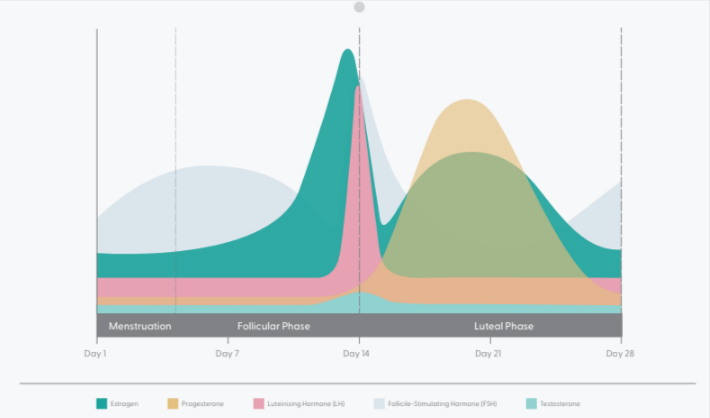
Menstrual cycle
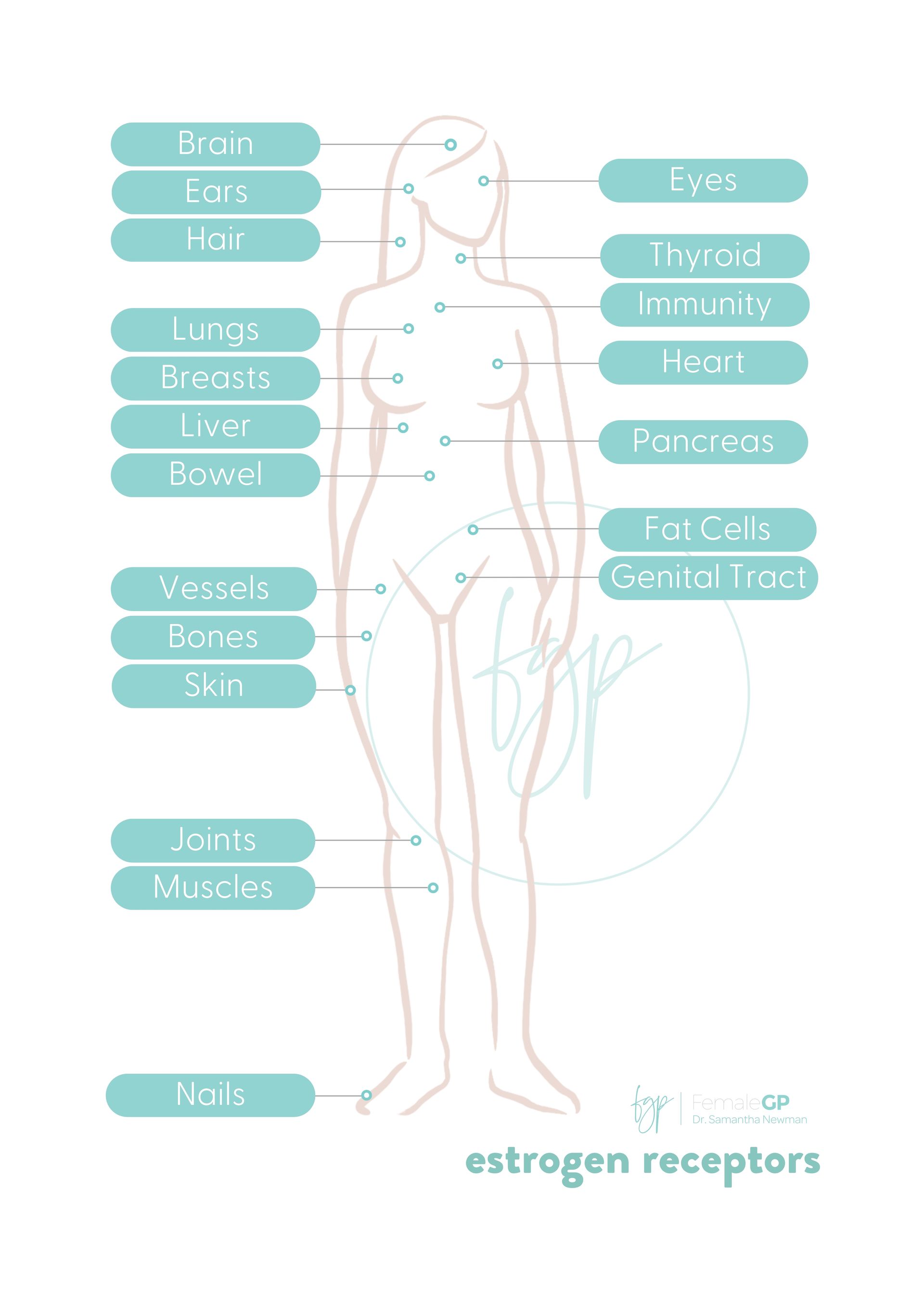
Estrogen receptors - coming soon
LOOP Events
Perimenopause
Online Courses - All About Us
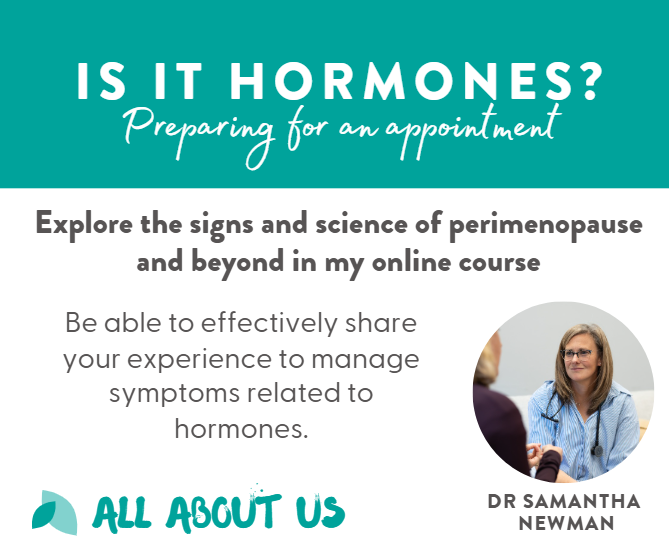
Is it Hormones?
Recorded Webinars
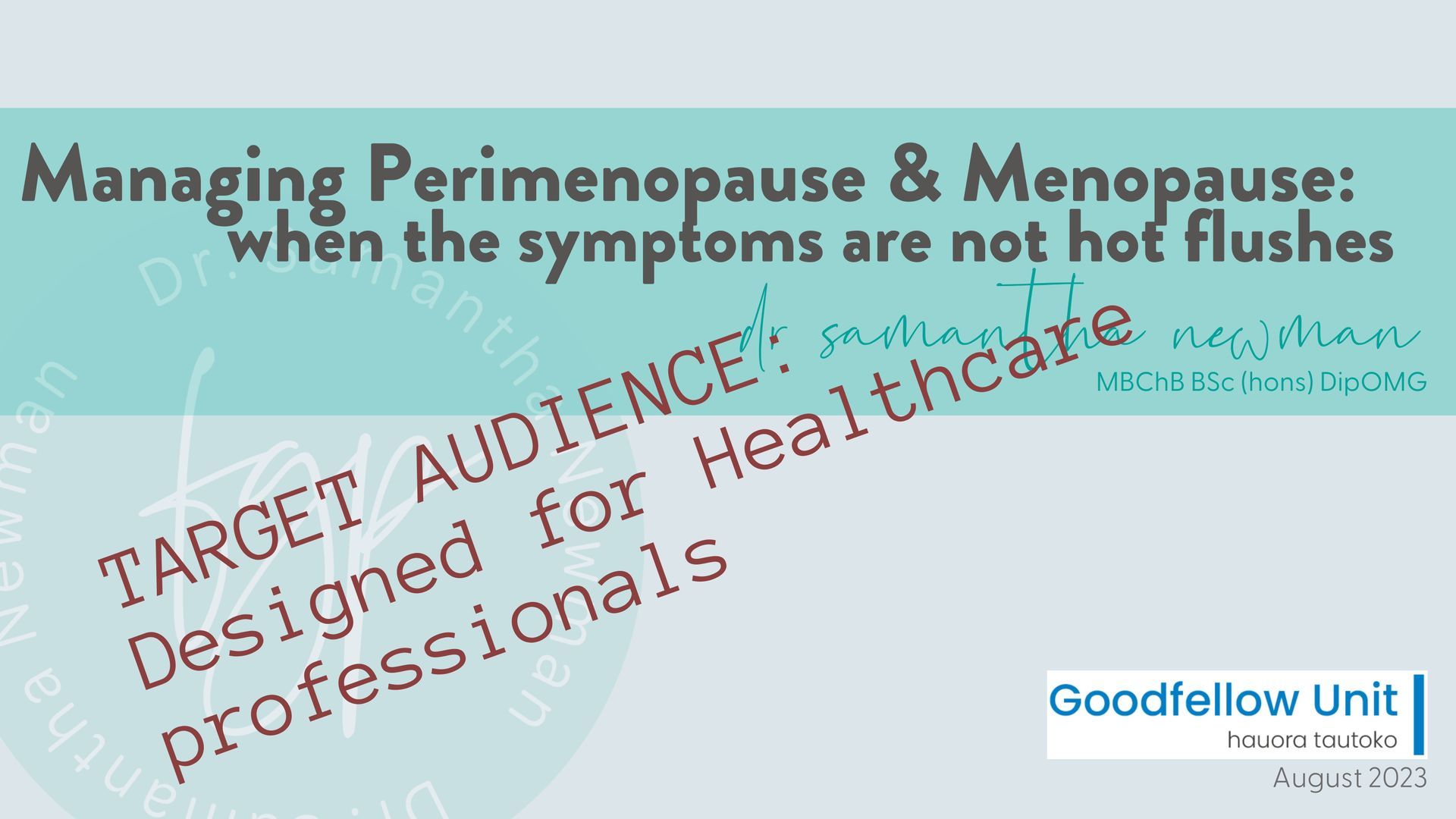
Perimenopause
A webinar on the impact of hormones in perimenopause with a focus on migraine and body pain and how to support our patients