SYMPTOM: not feeling myself
“I’m not feeling like myself” — could this be perimenopause?
It’s a phrase I hear often and if I’m honest, it used to make me feel a little stuck. Not because it’s not important, but because it’s so important. In a standard 15-minute consultation, you can find yourself thinking… where do I even start? It can sound vague, hard to define, difficult to anchor in something clinical.
But over time, I’ve realised something important.
That feeling of uncertainty as the GP isn’t a sign the patient is being unclear. More often, it’s a signal that there is something deeper going on something we haven’t yet named.
Because for the person sitting in front of you, this experience is not vague at all. They know something has changed. They just don’t yet have the language for it.
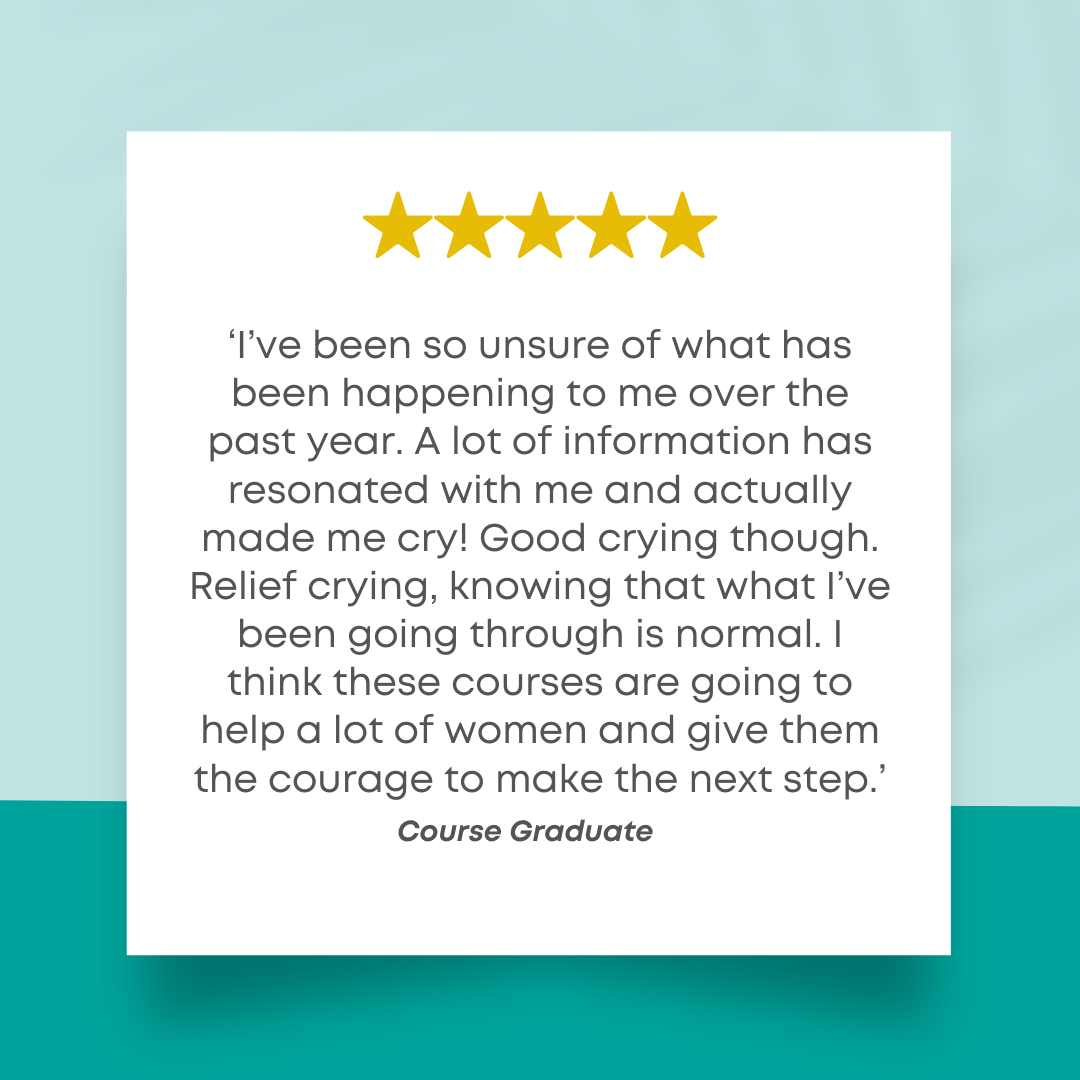
And importantly they don’t necessarily need all the answers immediately. Often, what they are looking for first is reassurance. To be heard. To know they are not alone.
A common (but often missed) sign of perimenopause
There is growing research supporting this lived experience.
A 2024 paper by Coslov et al. explored how women describe their experience of perimenopause, and “not feeling like myself” was one of the most common and consistent ways women explained what they were going through.
Once you start recognising it, you begin to hear it everywhere.
Not always as dramatic or severe symptoms, but as more subtle shifts that are easy to miss or misattribute:
- Increased anxiety or low mood
- Brain fog or reduced concentration
- Irritability or low tolerance
- Poor sleep
- Loss of confidence or sense of self
- A general feeling of being “off”
These are often early perimenopause symptoms, and they don’t always present with obvious cycle changes at first.
Why perimenopause is often missed
In clinical practice, we are trained (rightly) to rule out serious causes first.
So we work through our usual frameworks:
- Mental health conditions
- Thyroid dysfunction
- Iron deficiency
- Sleep issues
- Life stressors
All of these matter and should absolutely be considered.
But here’s the gap.
Hormonal change is often not included early in that process. It becomes something we think about only after everything else comes back “normal.”
Which means many women are left feeling:
- dismissed
- confused
- or like nothing is “wrong”—despite clearly not feeling like themselves
Could this be hormonal?
In my own practice, I’ve started to bring this question in earlier.
Alongside a proper medical assessment, I now ask:
- Could this be hormonal?
- Could this be perimenopause?
Because very often—the answer is yes.
Perimenopause can begin years before menopause itself, and fluctuating hormones can significantly impact mood, cognition, sleep, and overall wellbeing.
Recognising this earlier allows us to:
- validate the experience
- reduce unnecessary investigations
- and offer more targeted support
- What can actually help?
Once we consider a hormonal contribution, there are a number of evidence-based ways to support women through perimenopause.
This might include:
- Understanding hormonal patterns and symptom tracking
- Sleep and stress regulation strategies
- Nutritional and metabolic support
- And, where appropriate, menopausal hormone therapy (MHT)
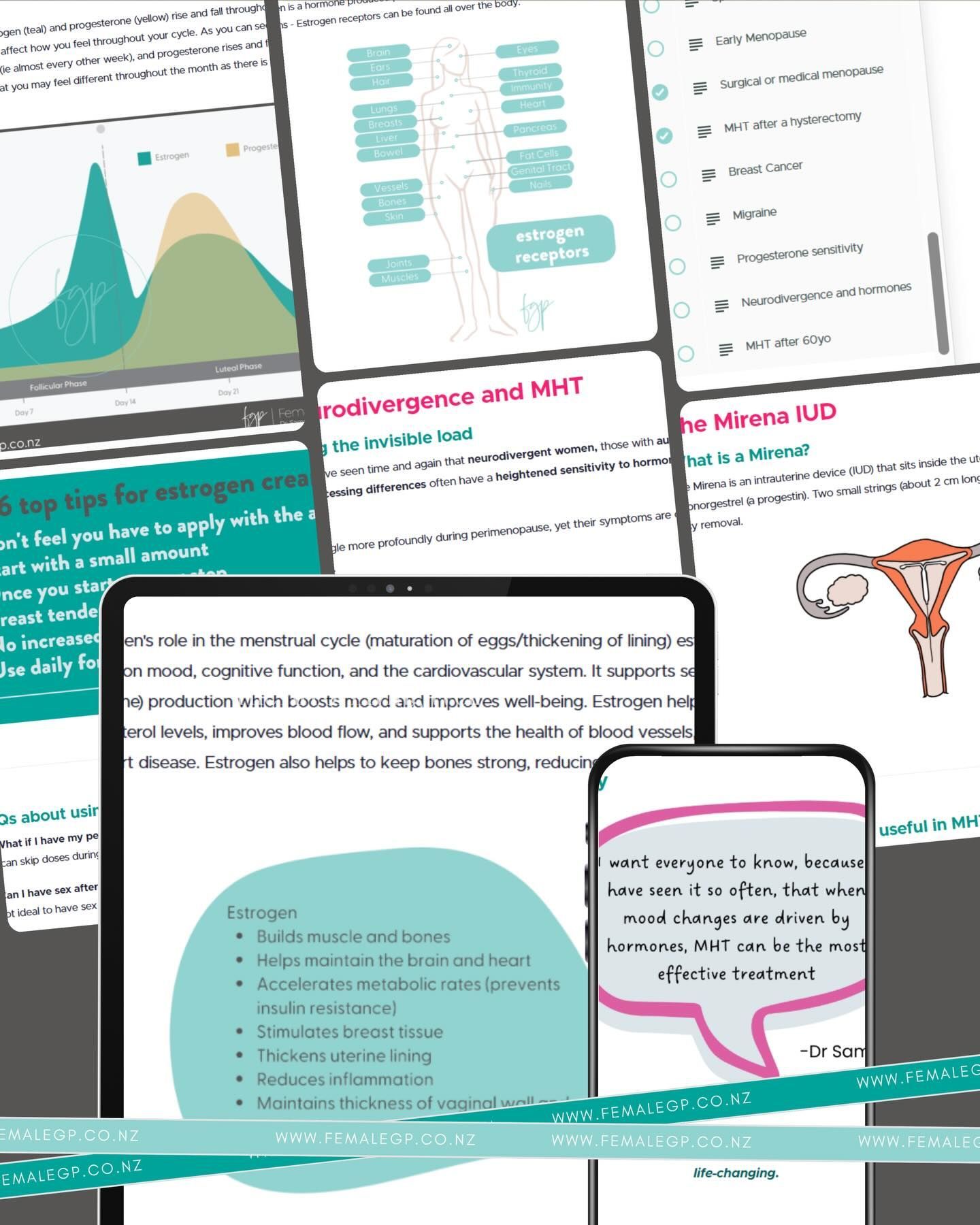
If you’re wanting to understand more about how hormones affect your mood, brain, and body I go into much more depth in my online courses, where we walk through symptoms, timing, and treatment options in a way that helps you actually apply it to your own life:
A small shift that makes a big difference
This isn’t about replacing good medicine - it’s about expanding it.
By holding both perspectives.. thorough clinical assessment and early consideration of hormonal change—we can improve recognition of perimenopause and support women earlier.
For me, this has been a small shift in thinking but it has made a significant difference. I feel less stuck in those consultations. And more importantly, my patients feel more seen, heard, and understood.
If you’re not feeling like yourself…
If you’ve been feeling “off,” not quite yourself, or struggling to explain what’s changed - this is worth exploring.
You’re not imagining it.
And you’re definitely not alone.