LEARN: Movement - Squats
What Is a Squat and Why Is Everyone Talking About It?
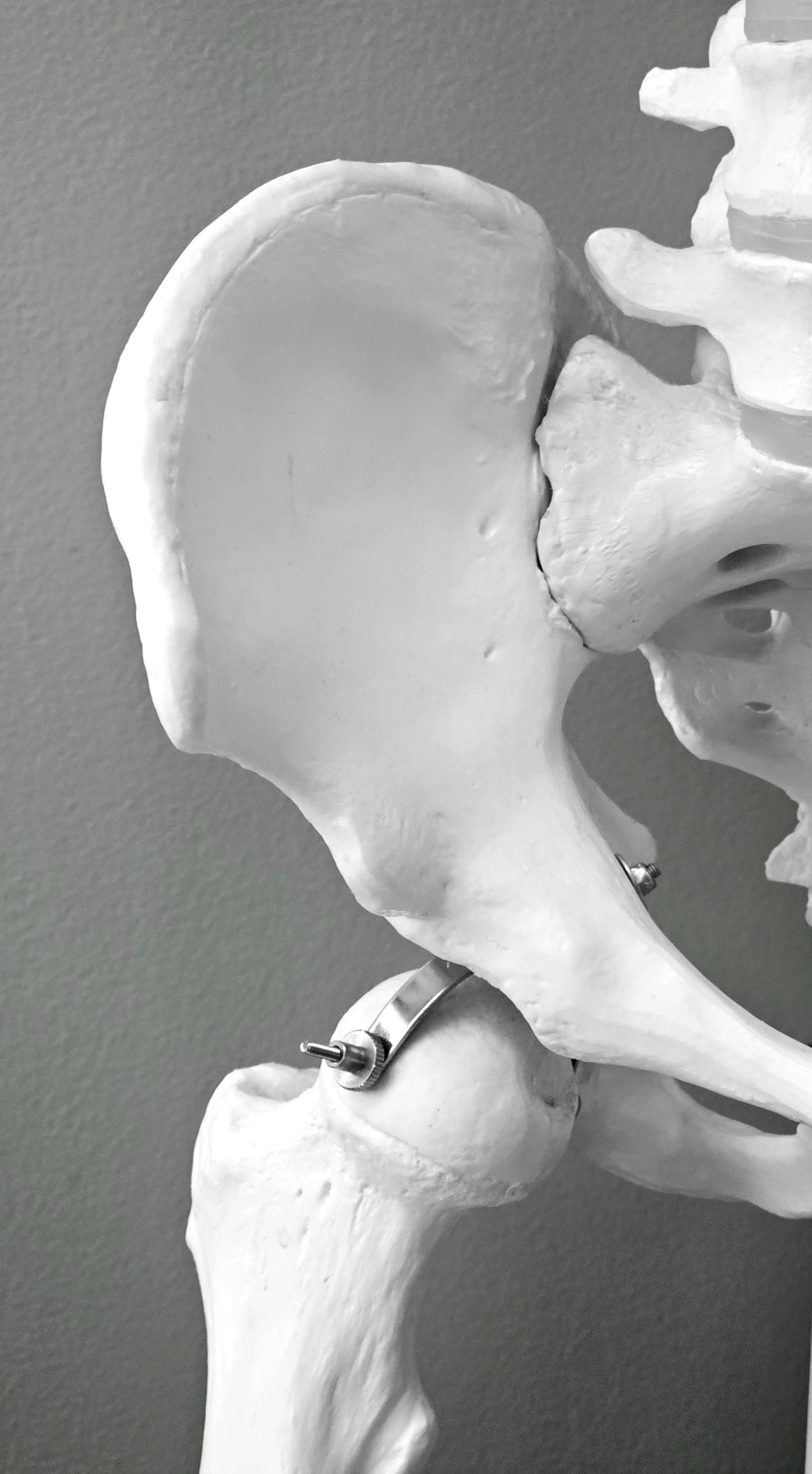
A squat is one of the most basic human movements. It’s the action of lowering your body by bending at the hips and knees, then standing back up again. We do versions of it every day sitting down, standing up, getting off the floor, lifting, carrying, living.
So when squats are discussed in gyms or training programs, they’re not about an extreme or artificial exercise. They’re about training a movement we already rely on for daily life.
Squats are a compound movement, meaning they involve multiple joints and muscle groups working together hips, knees, ankles, core, and spine - all coordinated by the nervous system. Because of this, squats offer a high return for a relatively simple action. They’re not just about legs.
Why Squats Matter Beyond Fitness
Squats support strength, balance, and coordination all of which protect independence as we age. They load the bones in a way that supports bone density (when loaded ie lifting weights), and they carry over into other movements like deadlifts. More importantly, they make everyday tasks easier: getting up from the floor, lifting, playing, moving through the world with confidence.
Because squats require attention to posture, breath, and alignment, they also engage the brain. Strength training is consistently associated with improved mood, focus, and cognitive resilience.
Why I Add Squats After Cardio
After 45 minutes on the cross trainer, I add squats.
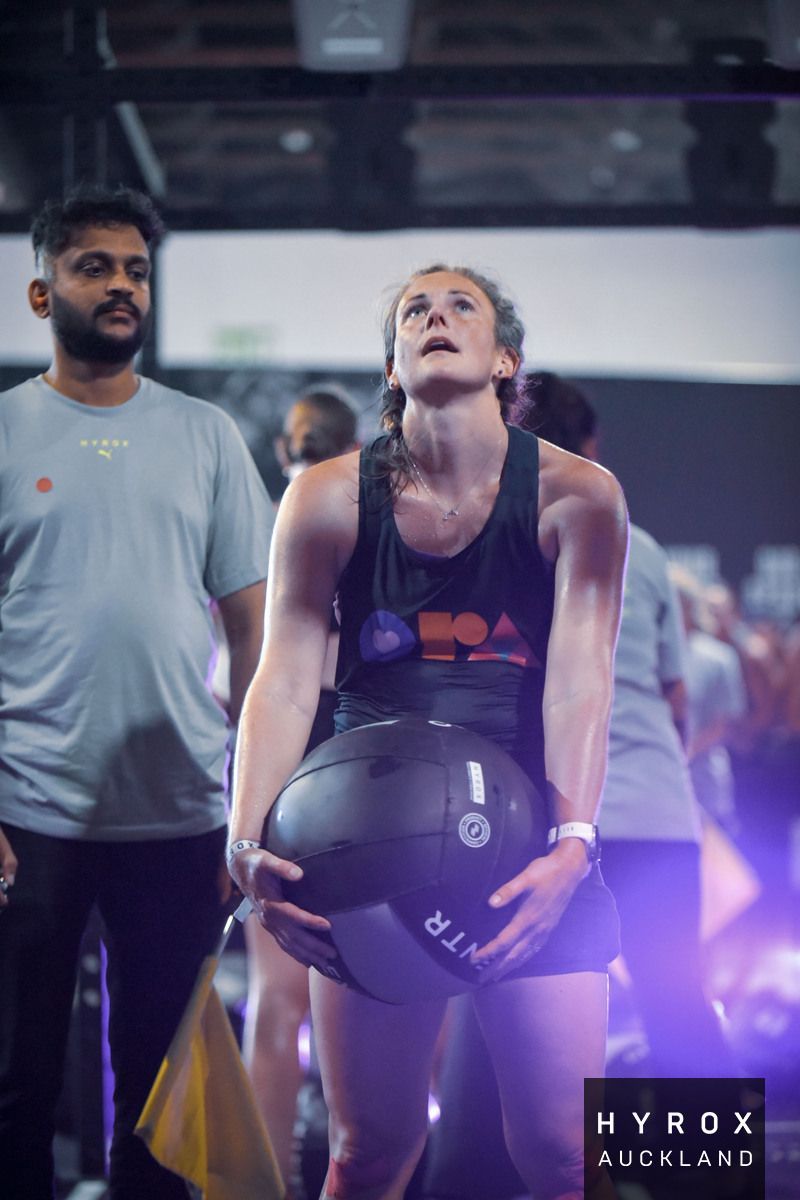
Right now, that’s because I have HYROX at the end of January, and wall balls sit at the end of the race- when fatigue is already high. Training squats when tired isn’t about punishment. It’s about preparing the body and brain to stay coordinated under load.
But beyond competition, squats matter because they build real-world strength. They support longevity, bone health, and functional movement, the kind that shows up in daily life, not just in the gym.
Squats and the Brain
One of the less talked-about benefits of squats is how they support the brain. Both neuromuscular adaptation (even more important for women as estrogen drops and we need to promote/support these pathways to stimulate/grow muscle in other ways) - but also for many people for mental health.
Squats demand presence. They require coordination between breath, posture, balance, and load. That demand pulls attention into the body and away from mental noise.
When squatting, I’m checking in: how am I breathing, where is my weight, how is my alignment? That moment-to-moment feedback loop is neurological training. It’s one reason resistance training supports mental health, emotional regulation, and executive function. It's hard!!
Learning Movement Takes Support
Learning movement does not come easily to everyone.
I didn’t just “figure out” squats. I worked with a personal trainer because technique, safety, and confidence matter. Strength isn’t just about effort; it’s about skill acquisition.
And because I see so many women with worsening pelvic floor symptoms (and because mine isn’t perfect) I also worked with a pelvic physiotherapist. Evidence shows that strength training does not harm pelvic floor function when breath, load, and technique are managed well. In fact, it can improve it.
What Changes in Real Life
The benefits aren’t just about numbers on a bar.
It’s easier to get up and down from the ground.
Movement feels more accessible.
I feel more capable in my body.
Exercise is a happy space for me - in classes, when playing with my daughter, running with the dogs, or just moving through daily life. That sense of capacity matters more than any single metric.
Moving Forward
I get my patients to progressively load ie build up to squatting with at least 40 kg not for ego, but because sufficient load supports bone strength.
But the most important message is this: some is better than none.
You don’t have to lift heavy.
You don’t have to love the gym.
You don’t have to do it perfectly.
You just need a way into movement that works for your body, your brain, and your life.
Because it’s not just about doing the thing.
It’s about figuring out how to get to the doing
And lastly, sometimes you need to have action to lead to motivation.
Wall Balls
When I started training for HYROX in 2024 - I did it because my brother did. And when I started I couldn't do even 5 wall balls unbroken. In 2025, I'm hoping to do 20 to start of the wall balls!! One day - I'll do more! Step by step...
Squatting in other movements
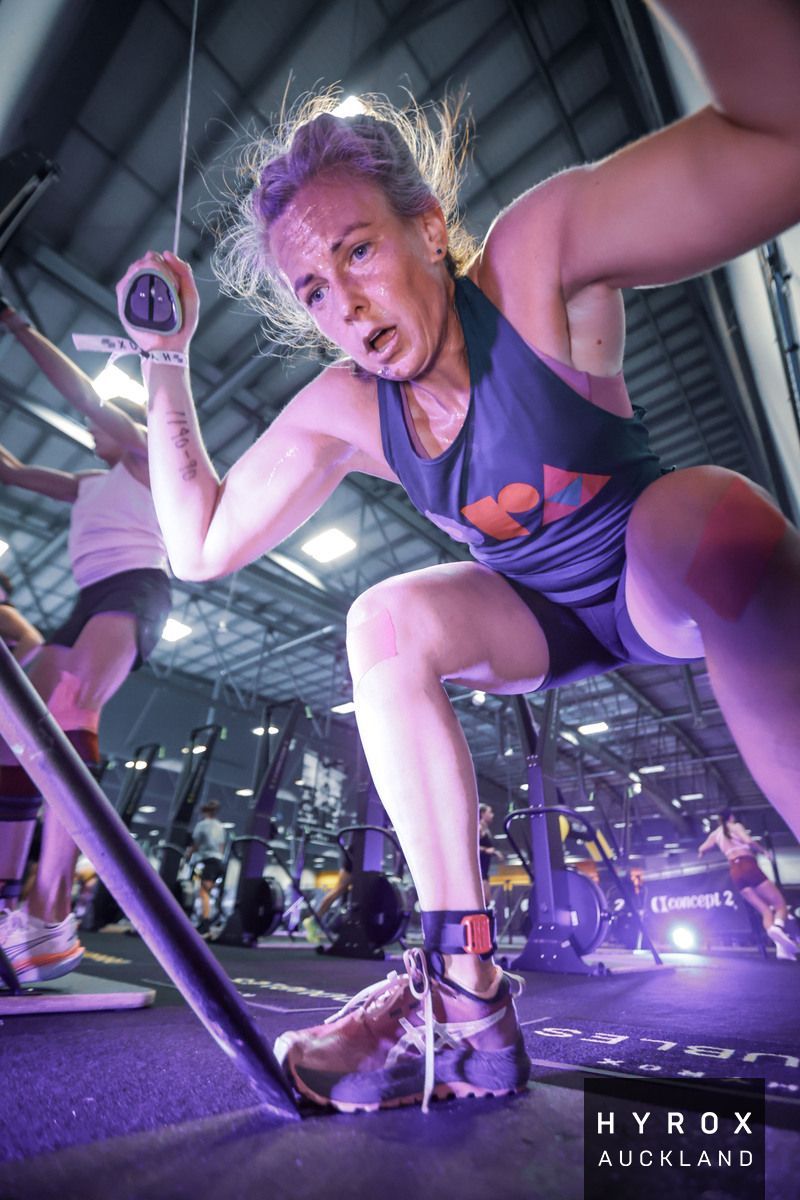
Still exercise related - and I appreciate not for everyone. But I need to work on my ski erg technigue - a proper squat and with a hinge will improve this.
Hormones and Muscles
Resistance training preserves muscle mass, balance, and functional independence - all of which naturally decline with age and with falling estrogen, progesterone, and testosterone. Maintaining strength is one of the strongest predictors of long-term mobility and reduced fall risk, particularly across perimenopause and menopause when hormonal buffering of muscle, bone, and connective tissue is reduced.
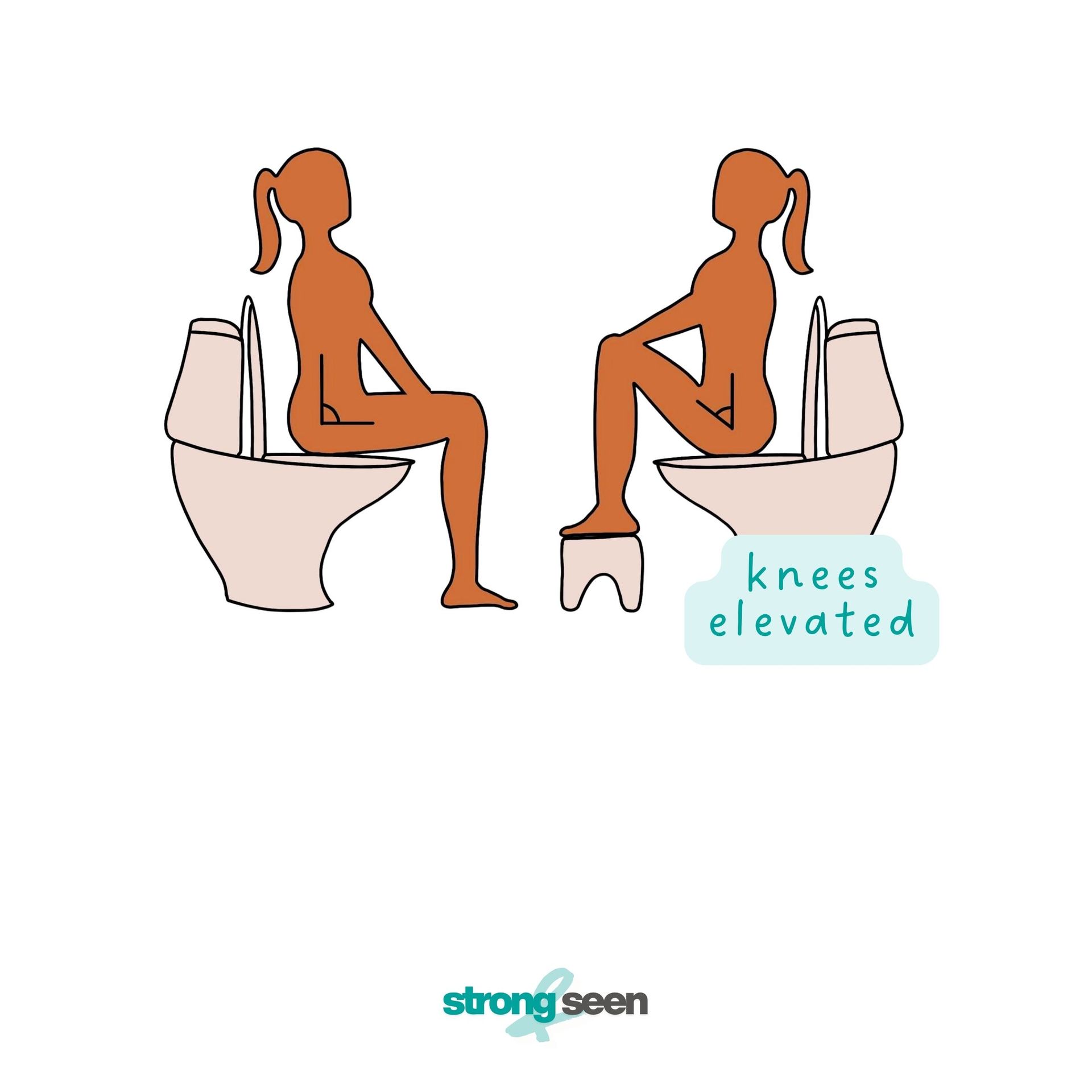
Toilet time
Squatting on the toilet (mimicking the squat position) with a step stool facilitates better evacuation (of poo AND wee!)

Strength Training and Pelvic Floor
When appropriately coached, strength training does not worsen pelvic floor symptoms. Integrating breath coordination, posture, and progressive loading can improve pelvic floor function and confidence in movement.
Strong and Seen is an event I did with Jen Dutton - showing the importance of being strong in body and mind.
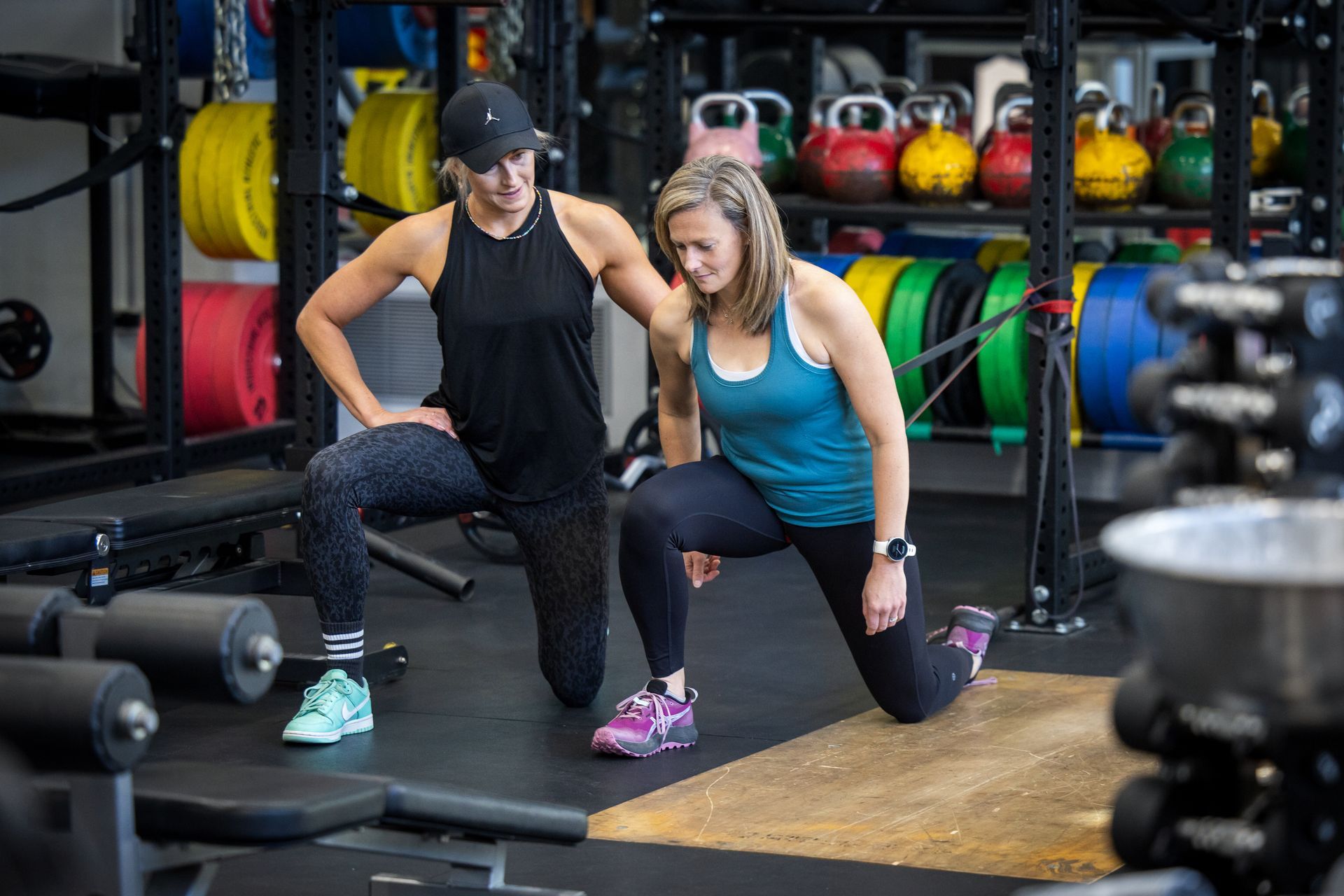
Learning
I didn’t just “figure out” squats on my own. Learning movement is hard for me, and getting support from a trainer helped me learn technique, build confidence, and train safely. That matters. Strength works best when it’s taught, not forced. Not everyone needs or has access to a personal trainer, and that’s okay. What matters is finding support that fits your life: a Green Prescription, free or low-cost community classes, online resources, or physiotherapy-led exercise (through ACC/exercise rehab). Strength isn’t about perfection (at least at the beginning) it’s about having a way in, and then developing 'perfection' - to promote strength and health. We want to be injury free!
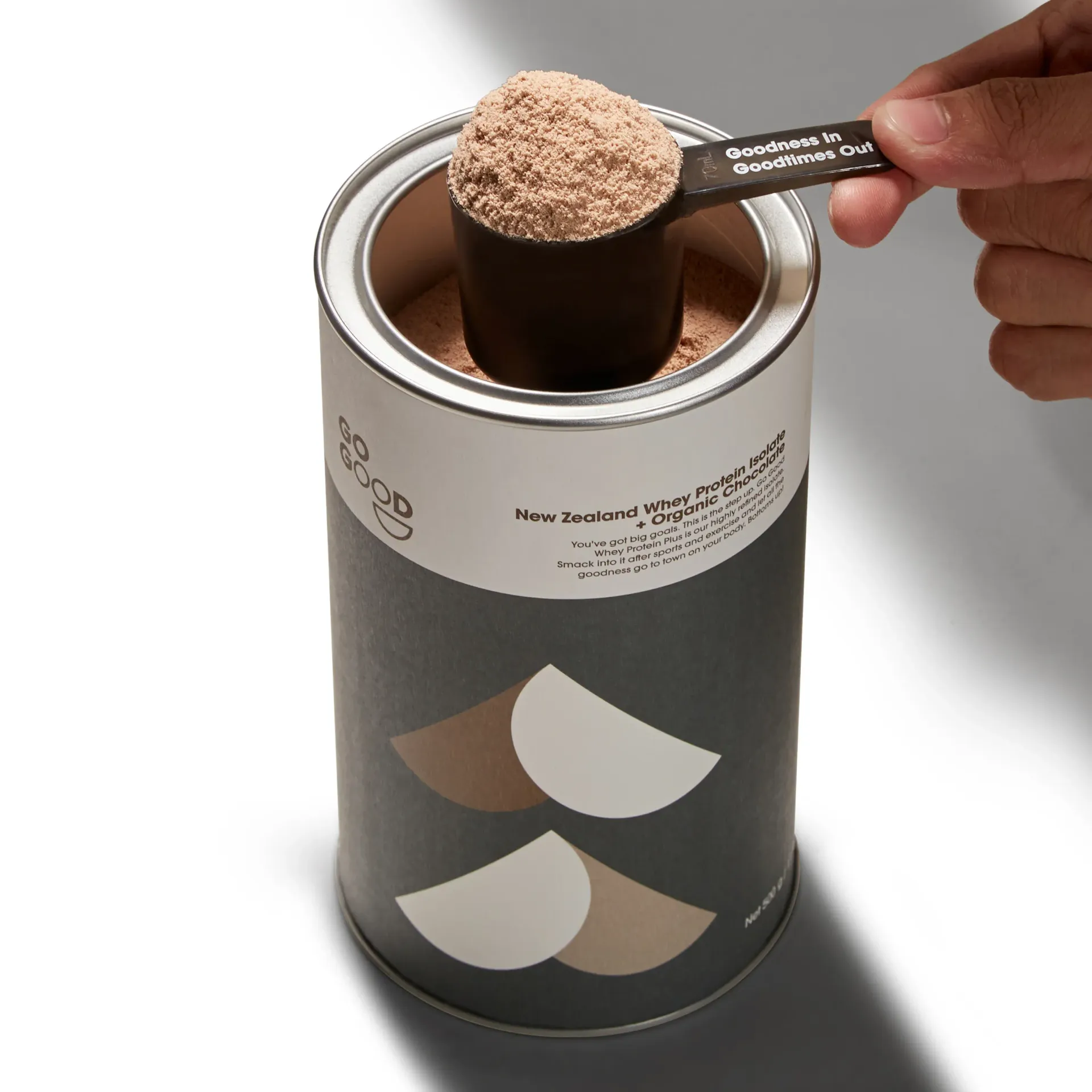
Fuelling and weights
Women are more sensitive to low carbohydrate availability. Adequate carbohydrate intake supports training performance, cognition, and nervous system regulation, while post-exercise protein supports muscle repair and adaptation.
The Brain and Exercise
Complex resistance movements improve executive function, attention, and mood by engaging multiple neural pathways simultaneously. This combination of load, coordination, and focus supports cognitive resilience and emotional regulation.
Bone and weights
Bone adapts to mechanical strain. Moderate-to-heavy loading stimulates bone formation and helps slow age-related bone loss. This becomes increasingly important for women as estrogen levels fluctuate across midlife.