
Result: Creatinine
Why I may comment on your creatinine – even when it's ‘normal’
Sometimes it's not the abnormal blood result that catches my attention. It's the change from what's normal for you.
One of the things I love about medicine is looking beyond whether a blood test is flagged as normal or abnormal. Creatinine is a good example. It's something I routinely check, but I'm not just interested in whether it's too high. I'm interested in whether it's changed, why, and what that means for the person in front of me.
A lesson I learnt as a young doctor
When I was a young doctor, I learnt something about acute kidney injury (AKI) that has stayed with me. Even a single episode of significant AKI can increase someone's risk of chronic kidney disease later in life.
Our kidneys are incredible organs, with a remarkable ability to adapt. They regulate fluid balance, blood pressure and electrolytes, remove waste products and play important roles in blood and bone health. They can compensate for substantial changes in function, sometimes without us noticing symptoms.
But that ability to adapt doesn't mean kidney injury is without consequences. Even when kidney function appears to recover, there can be increased risks further down the track.
So, what exactly is creatinine?
Creatinine is a waste product produced through normal muscle metabolism and filtered from our blood by the kidneys. When the kidneys aren't filtering efficiently, creatinine can rise.
But, as with most things in medicine, it's not quite that simple!
Dehydration, strenuous exercise, muscle mass, diet and medications can all influence creatinine. So when someone's result increases, I might ask whether they were dehydrated, had exercised intensely or recently started a new medication.
Sometimes we simply repeat the test. Other times, we investigate further.
A result can still be within the laboratory's normal range and represent a meaningful change for that individual.
But what about when creatinine goes down?
This is something I don't think we talk about enough.
Much of medical training focuses on high creatinine and identifying kidney failure. But particularly as we age, a falling creatinine can sometimes tell us something quite different.
Because creatinine comes from muscles, someone losing muscle mass may produce less of it. Their creatinine falls, not necessarily because their kidneys are working better, but because they have less muscle.
This is particularly relevant to sarcopenia, the progressive loss of muscle strength and mass, especially with ageing. Muscle is fundamental to mobility, metabolic health, independence and resilience during illness.
Interestingly, significant muscle loss can make calculated kidney function (eGFR) appear better than it actually is.
So sometimes I ask myself: Are their kidneys functioning better, or are they losing muscle?
A falling creatinine doesn't diagnose sarcopenia, but in the right context, it's another clue.
Why does kidney health matter?
Our kidneys do far more than produce urine. Kidney disease can affect cardiovascular health, blood pressure, bone health and medication safety, often without obvious symptoms.
Conditions such as diabetes and high blood pressure can also affect kidney function. Understanding kidney health is therefore an important part of understanding someone's overall wellbeing.
It's about the pattern, not just the number
When I review creatinine, I'm considering previous results, muscle mass, hydration, medications, blood pressure and metabolic health.
Sometimes a change needs investigating. Sometimes it just needs repeating. And sometimes it prompts a different conversation about nutrition, strength and maintaining muscle as we age.
Not every small change is significant, but reference ranges are only one part of interpreting a result.
Knowing where to find information is a skill; knowing when it matters to a particular person is clinical judgement.
And that's one of the parts of medicine I love. It's about recognising patterns, asking questions and understanding how the different aspects of someone's health fit together.

References/Further Reading
References and further reading
KDIGO (2024). Clinical Practice Guideline for the Evaluation and Management of Chronic Kidney Disease.
Coca SG, Singanamala S, Parikh CR (2012). Chronic kidney disease after acute kidney injury: a systematic review and meta-analysis. Kidney International.
Cruz-Jentoft AJ et al. (2019). Sarcopenia: revised European consensus on definition and diagnosis. Age and Ageing.
National Kidney Foundation. Creatinine and estimated glomerular filtration rate (eGFR).
Normal doesn't always mean normal for you.
A blood result can sit within the normal range and still represent an important change from your usual levels.
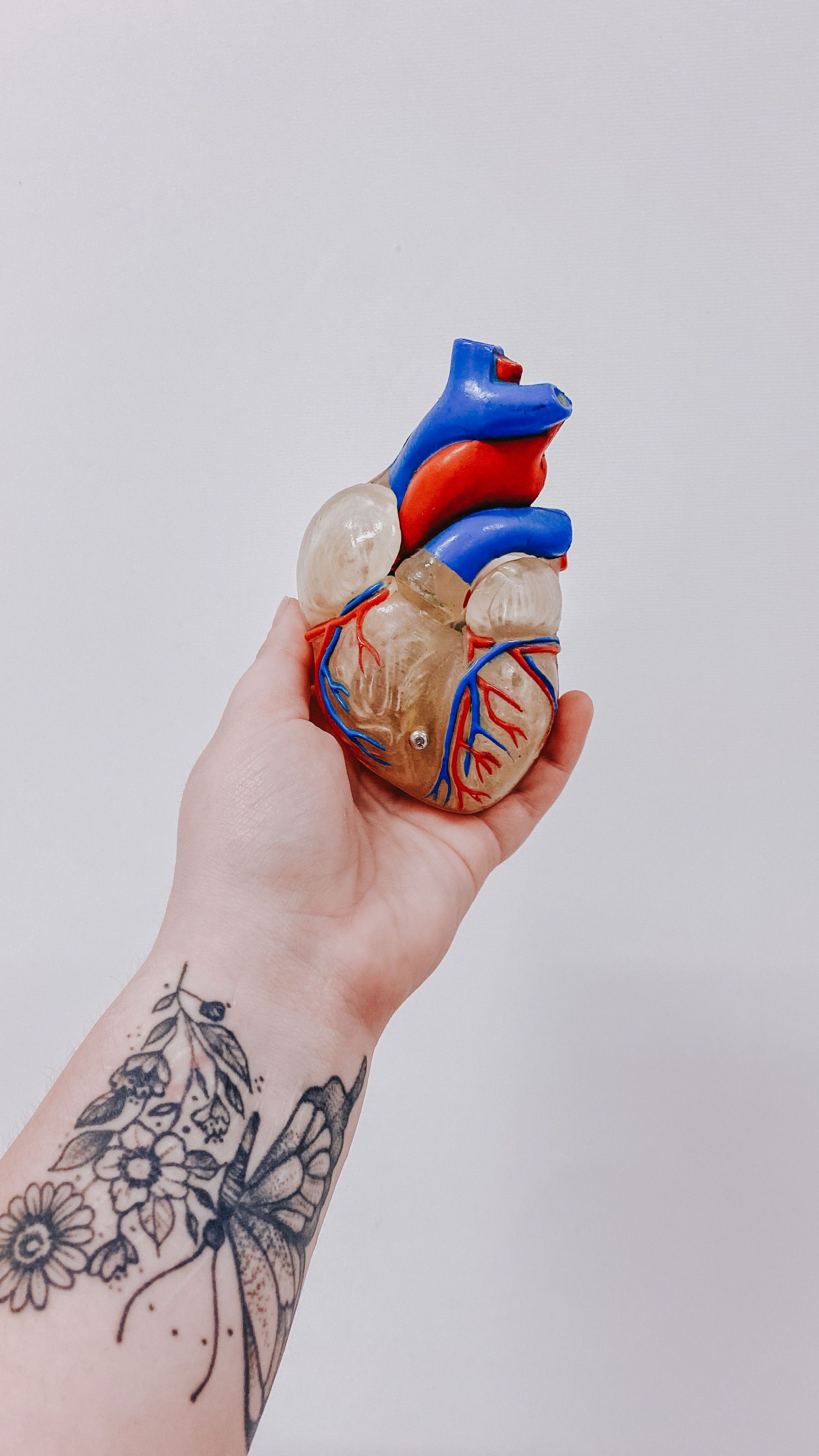
Your kidneys are incredible at adapting.
They can compensate for changes in function, often long before you notice any symptoms. But that doesn't mean kidney injury is harmless.

Why does creatinine rise?
Dehydration, exercise and muscle mass can all influence creatinine. But a rise can also indicate reduced kidney filtration.

What if creatinine falls?
We often focus on high creatinine. But a falling level, particularly in older adults, can sometimes be a clue to muscle loss.

Kidney health is whole-body health.
Your kidneys influence blood pressure, cardiovascular health, bone health and how your body handles medications.